


Journal
Deep Plane Facelift vs. SMAS Facelift: What’s the Difference?
2026-01-26
Anti-aging
Deep Plane Facelift vs. SMAS Facelift: What’s the Difference?
When it comes to facial rejuvenation, the landscape of plastic surgery has evolved significantly. For those seeking to turn back the clock on aging, the choice often comes down to two sophisticated surgical techniques: the Deep Plane Facelift and the SMAS Facelift.
While both procedures aim to restore a youthful contour to the face, they differ fundamentally in their surgical approach, the depth of tissue manipulation, and the longevity of the results. As the global hub for advanced medical aesthetics, South Korea has perfected both methods, offering international patients world-class outcomes backed by cutting-edge technology.
In this comprehensive 2026 guide, we will break down the structural differences, clinical benefits, and recovery expectations of each procedure to help you make an informed decision for your rejuvenation journey.
1. Understanding the Foundation: What is the SMAS?
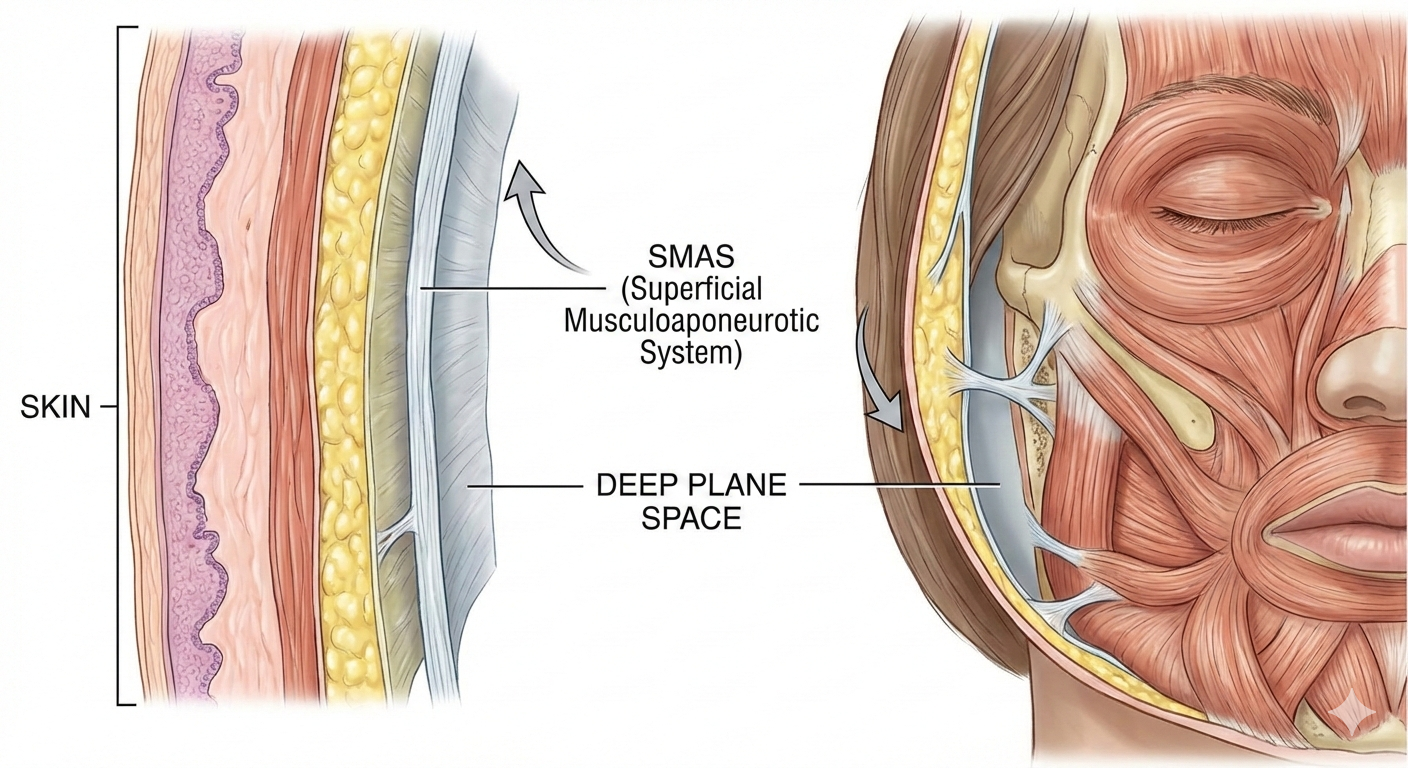
To understand why these surgical techniques exist, we must first look at the SMAS (Superficial Musculoaponeurotic System). The SMAS is a continuous layer of organized fibrous tissue and muscle that connects the facial muscles to the skin. Think of it as the "chassis" of the face.
As we age, gravity and the loss of collagen cause this foundation to sag. This leads to the clinical signs of aging we recognize:
- Jowls: Sagging tissue along the jawline.
- Nasolabial Folds: Deep lines running from the nose to the mouth.
- Malar Descent: The flattening of the cheekbones as fat pads slide downward.
Traditional facelifts in the 20th century often only pulled the skin. However, modern Korean plastic surgery focuses on the SMAS because tightening the skin alone creates an unnatural "windblown" look and fails to address the structural root of aging.
2. The SMAS Facelift: The Reliable Standard
The SMAS Facelift has been the gold standard for decades. It is a highly effective procedure for patients with moderate facial laxity, typically those in their late 40s to early 60s.
The Surgical Technique
In a SMAS lift, the surgeon makes an incision starting in the hairline at the temples, continuing around the ear, and ending in the lower scalp. The skin is elevated off the SMAS layer. The surgeon then addresses the SMAS in one of two ways:
- SMAS Plication: The SMAS is folded and sutured to itself to create tension.
- SMASectomy: A strip of the SMAS is removed, and the edges are sewn together to "tighten" the foundation.
High-SMAS vs. Standard SMAS
In premium Korean clinics, surgeons often utilize the High-SMAS technique. This involves a higher release of the SMAS layer near the cheekbone (zygomatic arch). This variation allows for a better lift of the midface compared to a standard SMAS lift, bridging the gap between traditional methods and the deep plane approach.
Advantages and Limitations
- Pros: Lower risk of nerve injury, shorter operative time, and excellent results for the lower jawline.
- Cons: Limited ability to lift the mid-cheek area and a slightly higher risk of the skin looking "tight" if not performed by an expert.
3. The Deep Plane Facelift: The Modern Masterpiece
The Deep Plane Facelift is widely considered the most advanced evolution in facial surgery. While the SMAS lift works on top of the muscle layer, the Deep Plane technique goes underneath it.
The Role of Retaining Ligaments (The Science of Lifting)
The defining feature of a Deep Plane lift is the release of the retaining ligaments. These are tough, fibrous bands that tether the facial tissues to the underlying bone. In a standard SMAS lift, these ligaments remain intact, which acts like a "leash," preventing the tissue from being fully repositioned.
By entering the space beneath the SMAS, the surgeon can safely release these ligaments (specifically the zygomatic and mandibular ligaments). This allows the entire face—the skin, the fat, and the muscle—to be moved upward as a single, tension-free unit. This is why the result is often called a natural facelift—it resets your anatomy rather than stretching it.
4. Safety First: Pre-operative Diagnostics in Korea
Before any incision is made, Korean hospitals employ a rigorous diagnostic process that sets them apart globally.
3D-CT Scanning and Nerve Mapping
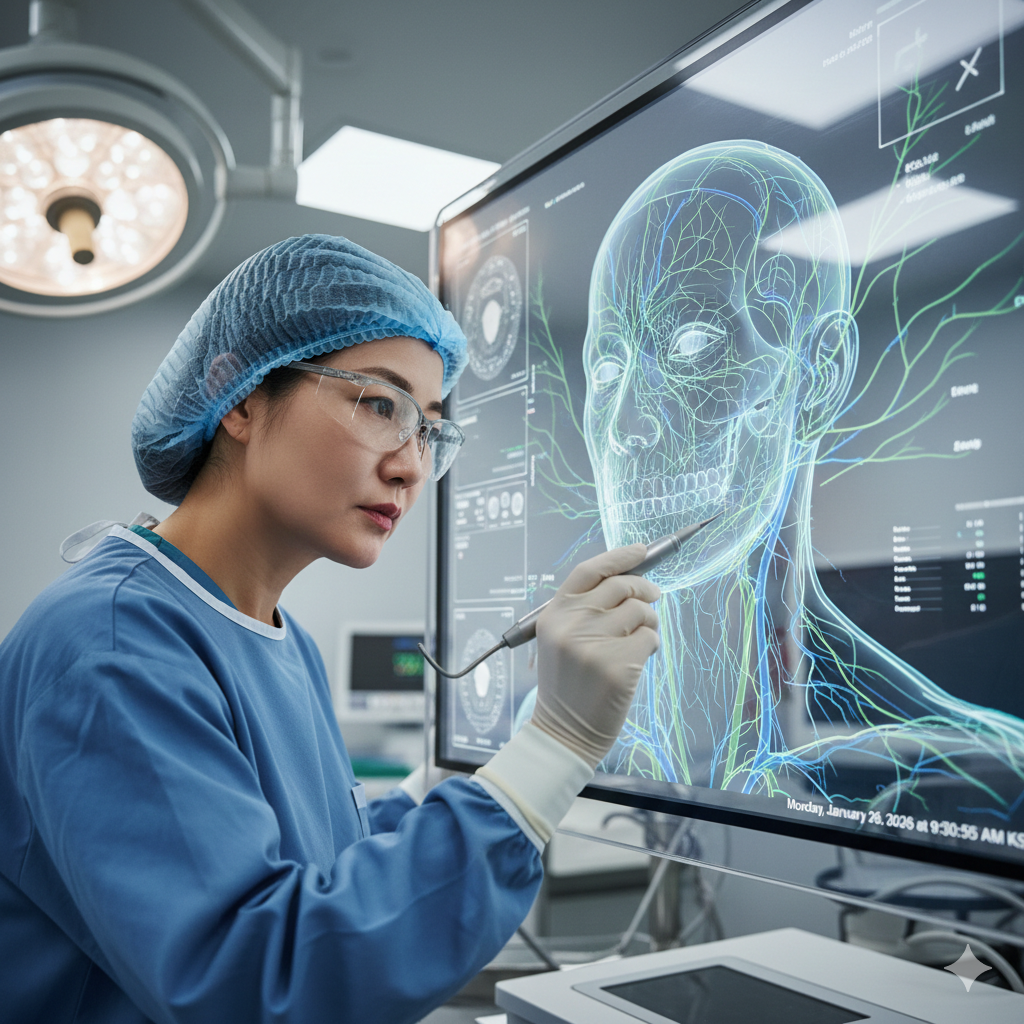
A Deep Plane Facelift requires navigating near the branches of the facial nerve. Top-tier Korean hospitals utilize 3D-CT scanning to visualize the patient's unique bone structure and vascular pathways. This allows surgeons to:
- Identify Nerve Pathways: Map the exact location of facial nerves to avoid injury.
- Analyze Fat Distribution: Determine the precise volume of the malar fat pads for repositioning.
- Customized Incision Planning: Tailor the surgical plan to the patient’s specific bone density and skin thickness.
This level of pre-operative precision is a cornerstone of the safety and high success rates found in Korea.
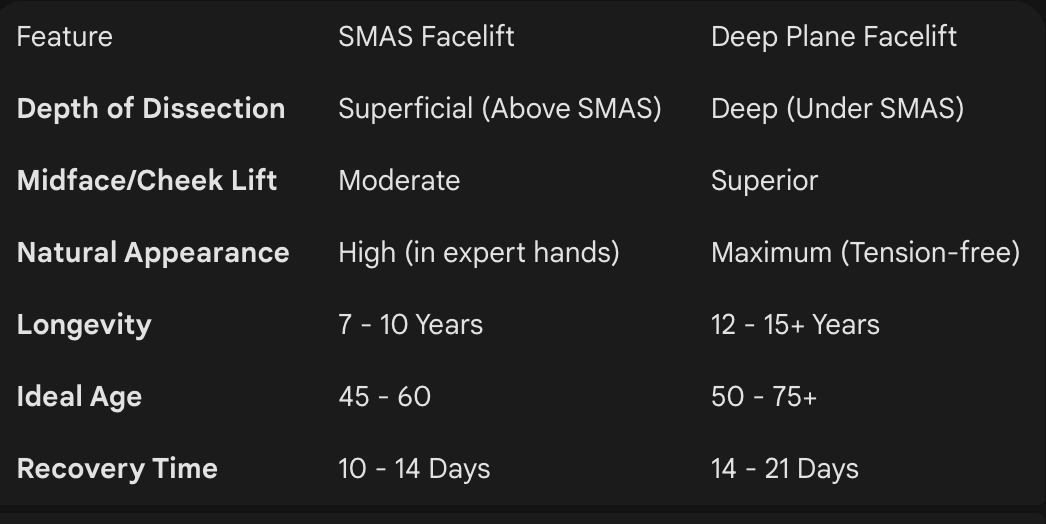
5. Side-by-Side Comparison: Which Is Right for You?
To achieve the best outcome, preparation begins weeks before your arrival in Seoul. At Docfinderkorea, we provide a detailed checklist to ensure your body is in optimal condition for surgery:
- Medication Review: Stop taking blood-thinning supplements such as Vitamin E, Omega-3, and Aspirin at least two weeks before surgery.
- Smoking and Alcohol: It is crucial to stop smoking at least 4 weeks prior. Nicotine constricts blood vessels, which can severely compromise skin healing in a facelift.
- Hydration and Nutrition: Focus on a nutrient-dense diet to boost your immune system.
- Health Screening: Our partnered clinics perform comprehensive blood tests and EKGs upon your arrival to ensure you are fit for general anesthesia.
7. The Docfinderkorea Experience: Your Journey to Youth
Navigating the medical landscape of a foreign country can be daunting, especially for a complex procedure like a Deep Plane Facelift. This is where Docfinderkorea steps in.
Docfinderkorea is a government-certified and licensed medical tourism agency with over a decade of experience. We provide a premium, comprehensive service for international patients at no extra cost.
Our specialized services include:
- Expert Surgeon Matching: We analyze your photos and medical history to match you with a surgeon who specializes in the specific technique you need.
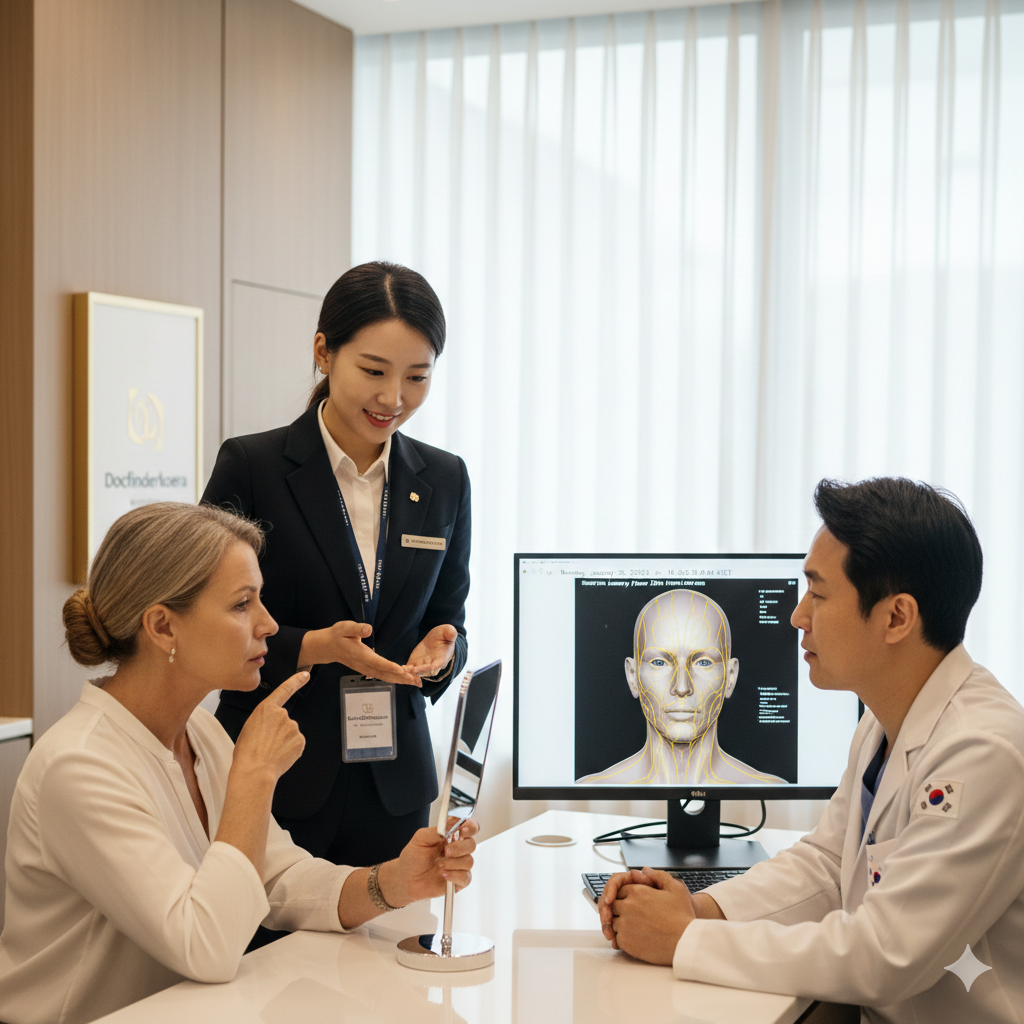
- 1:1 Professional Translation: Our coordinators aren't just translators; they are medical advocates who ensure your aesthetic goals are perfectly communicated to your surgeon.
- Complimentary Concierge: From airport pickup to pharmacy runs and post-op clinic visits, we handle the logistics so you can focus on healing.
8. Recovery and Aftercare: The Docfinderkorea 7-Step Roadmap
In Korea, recovery is treated with the same importance as the surgery itself. Docfinderkorea ensures you follow a 7-step aftercare roadmap to maximize your results.
- Day 1-2 (In-Hospital Care): Monitoring by specialized nursing staff, managing pain, and starting anti-inflammatory infusions.
- Day 3-5 (The Peak of Swelling): Utilizing high-tech deswelling lasers and receiving "shampoo services" to keep the incision areas clean without strain.
- Hyperbaric Oxygen Therapy: Sessions in high-pressure chambers to saturate your tissues with oxygen, significantly cutting down healing time and improving skin graft take.
- LED Light Therapy: Targeted wavelengths to reduce bruising, calm skin inflammation, and stimulate collagen production in the incision areas.
- Nutritional Support: Provision of traditional Korean pumpkin juice (Hobak-jeup) and advice on a high-protein, low-sodium diet to prevent fluid retention.
- Day 10-14 (Stitches Removal): Final check-up with your surgeon and removal of all your stitches.
9. Frequently Asked Questions (FAQ)
Is a Deep Plane Facelift "too much" for a 50-year-old?
Not at all. In fact, performing a Deep Plane lift earlier can lead to even more natural results because the skin still has good elasticity. It maintains a youthful appearance for decades and often negates the need for future major revisions.
Will I lose my natural expressions?
This is a common myth. Because the Deep Plane technique moves the muscles back to where they used to be (rather than stretching them sideways), your natural smile and facial expressions remain intact. You will look like a refreshed version of yourself, not a different person.
Can I combine this with other procedures?
Yes. Many patients at Docfinderkorea opt for a Neck Lift or Fat Grafting to the temples and forehead to achieve a completely harmonious, 360-degree rejuvenation. Combining procedures also minimizes the total downtime and anesthesia exposure.
Conclusion: A New Chapter of Confidence
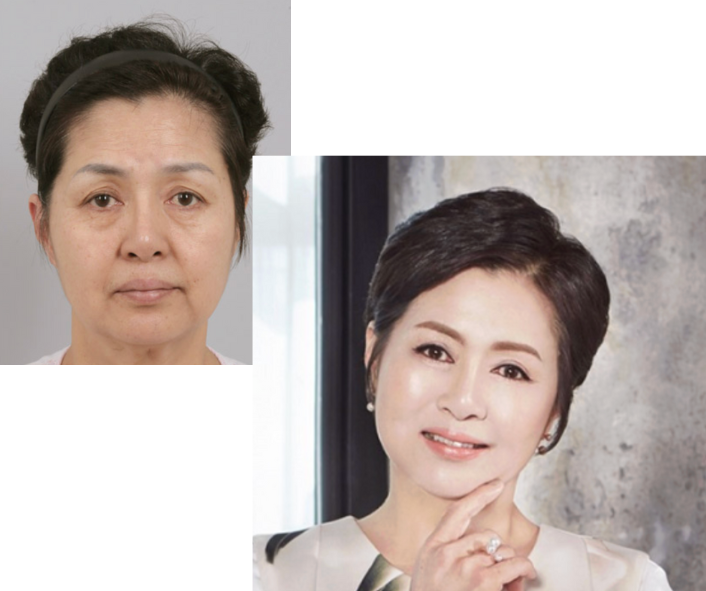
The choice between a Deep Plane and a SMAS facelift is a personal one, but it should be guided by professional expertise and a deep understanding of your unique facial anatomy. While the SMAS lift remains a reliable tool, the Deep Plane Facelift offers a level of midface rejuvenation and longevity that is simply unmatched in modern plastic surgery.
By choosing South Korea, you are choosing the pinnacle of surgical artistry. And by choosing Docfinderkorea, you are ensuring that your journey is safe, supported, and successful. We are proud to offer our premium services for free, acting as your trusted partner in the pursuit of beauty.
Would you like us to analyze your photos and suggest whether a SMAS or Deep Plane technique would yield the best results for your unique facial structure?
Related Articles for Further Reading
If you are considering facial rejuvenation, exploring both surgical and non-surgical options is key to making the best decision. Here are some of our highly recommended guides to help you on your journey:
Ultherapy vs. Thermage: Which Procedure is Right for You? Not ready for surgery yet? Learn about the world’s two most popular non-invasive lifting treatments. This guide compares high-intensity focused ultrasound (HIFU) and radiofrequency (RF) technologies to help you decide which skin-tightening method fits your needs.
Different Types of Facelift Surgeries in Korea Beyond the Deep Plane and SMAS techniques, there are various specialized lifts like the Mini-Facelift and Midface Lift. Dive deeper into the diverse surgical options available in South Korea's top-tier clinics to find the perfect match for your facial structure.
Face Lift Procedure Maintenance and Recovery Tips The secret to long-lasting results lies in the recovery phase. Discover professional tips on how to maintain your new, youthful look and accelerate the healing process with Korea's advanced post-operative care systems.
Back